
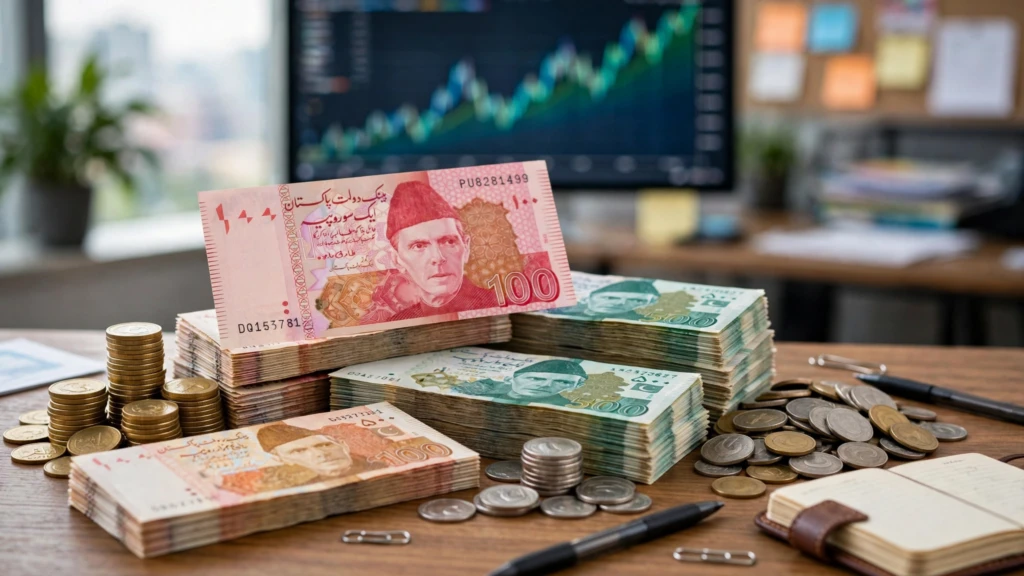
The State Bank of Pakistan has raised its key interest rate to 12 percent. The Monetary Policy Committee raised the rate by 50 basis points on 26 October, and the new rate took effect on 27 October. Nine of the committee’s ten members voted for the rise.
The rate is the price banks pay to borrow money. When it goes up, loans usually become more expensive, and savings accounts may pay more.
Why the rate went up
Inflation is the main reason. Headline inflation was 10.3 percent in September. That is well above the State Bank’s target range of 5 to 7 percent.
The committee also pointed to risks from the Middle East conflict and energy prices. When oil and energy cost more, prices in Pakistan usually rise too, because the country imports much of its fuel.
What it means for loans and savings
A higher rate makes borrowing costlier. People taking new home, car or business loans may face higher monthly payments. Existing loans with variable rates can also become more expensive.
On the other side, banks may offer better returns on savings and fixed deposits. For savers, that is some relief against rising prices.
Businesses often delay expansion when rates rise, because borrowing costs more. That can slow growth, but it can also help cool inflation over time.
Oil spike adds new pressure
The timing is difficult. Oil prices touched $118 a barrel on Friday after tanker attacks near the Strait of Hormuz. If oil stays high, Pakistan’s import bill and fuel prices will face more pressure.
That is why the rate decision matters beyond banking. It affects household budgets, business costs and the prices people pay every day.
Read more of our business coverage for updates on rates, prices and the economy.



Comments (0)
Be respectful — comments are moderated.