
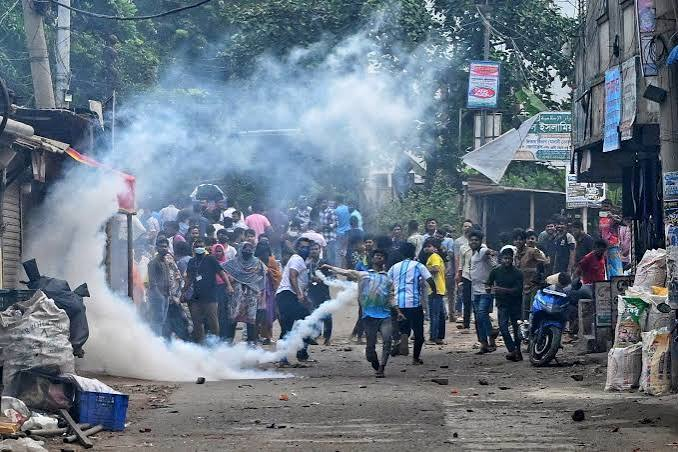
Bangladesh’s newly formed wage board has agreed to bring in a revised pay structure for garment workers from December, as protests over wages entered their fifth day on Wednesday. Workers will get their first salaries under the new structure in January.
The board did not agree on the size of any pay rise. That decision will come at further meetings, workers’ representative Babul Akter said after the board’s first meeting in Dhaka.
What the wage board agreed
The six-member board was formed on 1 November to review pay in the garment industry. It includes representatives of workers and factory owners.
At its first meeting on Wednesday, both sides agreed that the new wage structure will be implemented in December. Workers will receive their first salaries under the revised scale in January.
The amount of the rise is still undecided. The board will hold more meetings to set the new rates.
Why workers are protesting
Garment workers are demanding that the monthly minimum wage be raised to 30,000 taka (about $243) from 12,500 taka. They say rising food, housing and transport costs have eaten into their pay.
The protests began on Saturday and have now run for five days. Workers have clashed with police in several industrial areas around Dhaka.
Clashes and factory shutdowns
On Wednesday, clashes broke out between workers and police in Savar and Gazipur, two major garment hubs on the outskirts of Dhaka. Clashes were also reported in Narayanganj.
Police dispersed protesting workers in Savar’s Hemayetpur area as they tried to move towards the Dhaka-Aricha highway.
Hundreds of factories have suspended operations during the unrest. That has raised concerns about shipment delays in Bangladesh, the world’s second-largest garment exporter after China.
What happens next
The garment sector employs about 4 million workers. It generates more than 80 percent of Bangladesh’s export earnings and supplies brands including H&M, Inditex’s Zara and Walmart.
All eyes are now on the wage board’s next meetings, where the size of the pay rise will be decided. Workers are still on the streets, and the unrest will only ease once a new rate is agreed.
Read more of our Trend & Society coverage, including Arizona Flooding: Historic Storm Kills 2, Forces Evacuations as Salt River Surges Through Phoenix.

Comments (0)
Be respectful — comments are moderated.