
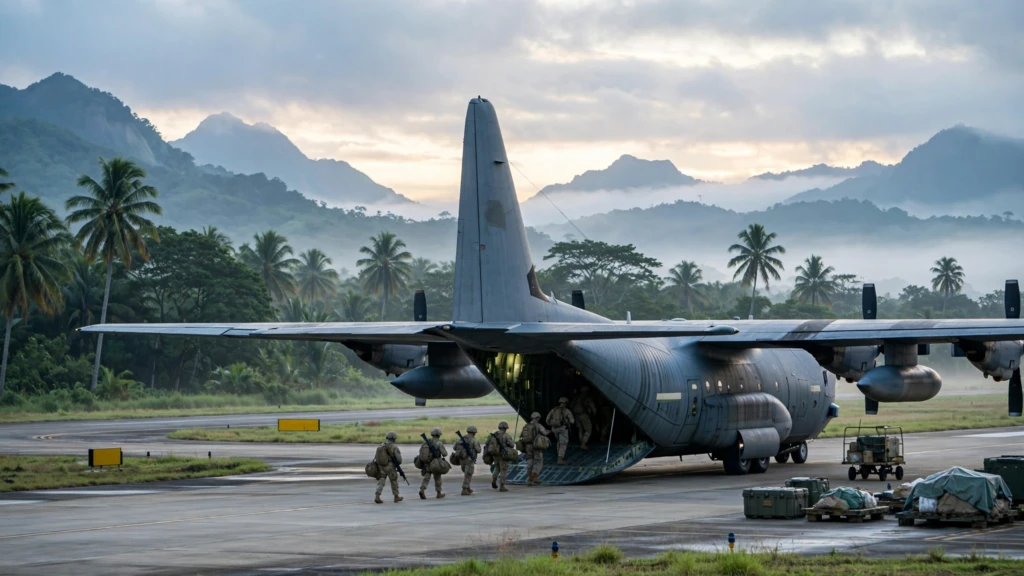
The United States is sending hundreds of soldiers to Latin America. The troops will go to Panama, Colombia, and Honduras. The move is part of a wider military campaign against drug trafficking gangs.
The Deployment
Pentagon officials confirmed the plan this week. The soldiers will arrive in stages over the coming months. Most will serve in support and training roles at first.
Some units may join joint patrols with local forces. US officials say the mission will target smuggling routes. They insist the troops are not an occupying force.
Why These Three Countries
Panama sits on a key drug corridor between South and North America. Traffickers move cocaine through its jungles and waters. The Panama Canal zone is also a prized target for smugglers.
Colombia grows most of the world’s coca, the plant used to make cocaine. Armed gangs control large rural areas there. Honduras is a major transit point for drugs heading north by land and sea.
What the Mission Involves
The mission will focus on intelligence and training. US troops will help local forces track gang movements. They will also share satellite images and drone footage.
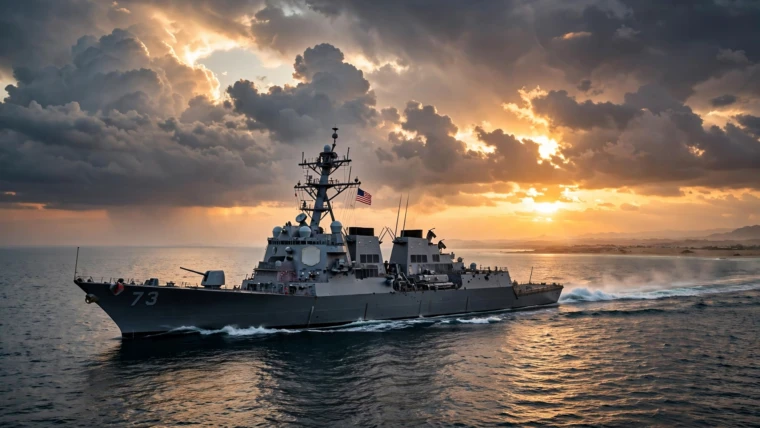
Naval ships may step up patrols off the Pacific coast. The US Coast Guard already works in these waters. Officials say the goal is to break the gangs’ supply chains.
How the Region Has Reacted
Reactions across Latin America have been mixed. Some leaders welcomed the extra help. They say their police forces are outgunned by the cartels.
Others voiced concern about foreign troops on their soil. Critics warn the mission could grow into something bigger. Past US operations in the region still shape public views.
The Bigger Picture
The Trump administration has made the drug war a top priority. Officials link the gangs to the fentanyl crisis at home. Thousands of Americans die from overdoses each year.
The Fentanyl Link
US officials tie the gangs to America’s fentanyl crisis. The drug kills tens of thousands of Americans each year. Much of it starts as chemicals shipped through Latin America.
Cartels press the pills in hidden jungle labs. Couriers then carry them north across the border. Breaking this chain is the mission’s stated goal.
Lessons From the Past
America has sent troops to the region before. The 1989 Panama operation toppled a dictator in days. Later missions in Colombia trained local forces for years.
Results have been mixed, historians say. Some gangs fell, but new ones rose to take their place. Critics argue force alone never solved the drug trade.
What the Troops Will Actually Do
Day to day, most soldiers will train and advise. They will run courses on patrol tactics. They will help maintain helicopters and boats.
A smaller number may join field operations. Rules of engagement will be tight, officials say. US troops will not lead raids on their own.
Voices From the Ground
In border towns, views are split down the middle. Shopkeepers hope for safer streets. They say gangs tax every business in town.
Others fear crossfire in their neighbourhoods. They recall past operations that went wrong. Community leaders ask for aid, not just arms.
The Road Ahead
The first units arrive within weeks. Commanders will set up bases near key smuggling routes. Local forces will join joint planning cells.
Success will be measured in seizures and arrests. But the real test is the street price of drugs. If that falls, the mission can claim progress.
Whether troops on the ground will cut the drug flow is unclear. Experts note that past crackdowns often just moved routes elsewhere. For now, the region braces for the largest US deployment in years.
Comments (0)
Be respectful — comments are moderated.