
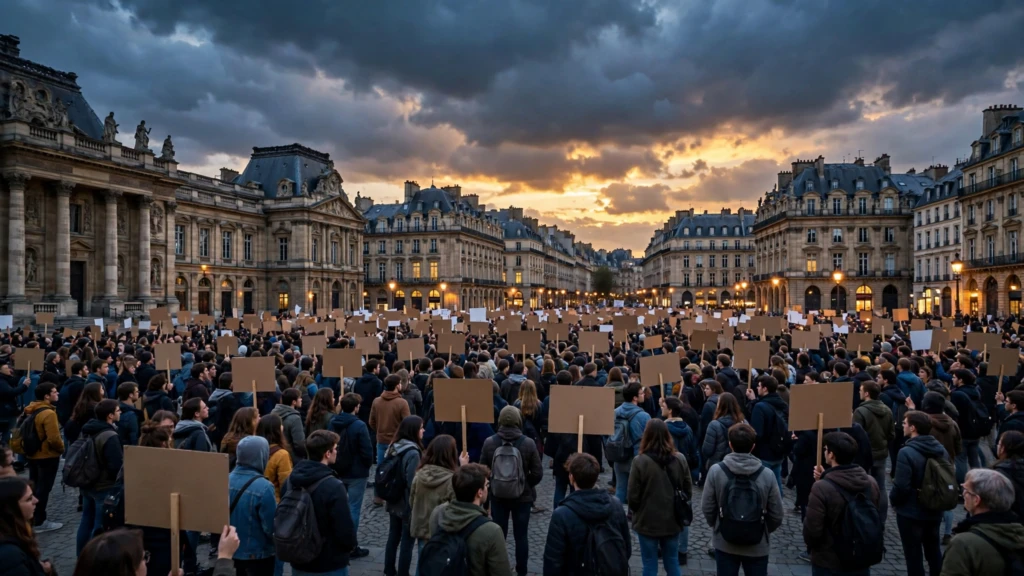
Anti-government protests in Albania have entered a third day. Students are leading the crowds in the capital, Tirana. They demand action on corruption and real reform of the education system.
Three Days of Unrest
The protests began with a student march on Monday. Numbers grew each day after that. By Wednesday, thousands filled the main square outside government offices.
Most marches have been peaceful, organisers say. But some clashes broke out near parliament. Police used tear gas to push back stone-throwing youths.
What the Protesters Want
Corruption sits at the heart of the anger. Protesters say public money is stolen by well-linked officials. They want open trials and jail terms for the guilty.
Education reform is the second big demand. Students say universities are underfunded and outdated. They want lower fees and better dorms, labs, and libraries.
Students Lead the Way
University students organised the first rallies online. Their groups spread the word through social media. Soon, workers and parents joined the marches.
Student leaders say they will not stop until demands are met. They have set up tents in the square. Nightly speeches keep the crowds fired up.
The Government’s Response
The government says it hears the concerns of young people. Ministers promised a review of university funding. They also pledged new anti-corruption courts.
But protesters call the promises empty words. They point to past pledges that led nowhere. Opposition parties have backed the rallies and joined the calls for resignations.
EU Urges Restraint
The European Union has urged both sides to stay calm. Albania hopes to join the EU in the coming years. Brussels warned that violence could harm the country’s bid.
Why the Anger Boiled Over Now
The spark was a leaked audit of university funds. It showed millions missing from official budgets. Students shared the document online within hours.
Weeks of small rallies followed the leak. Each one drew bigger crowds than the last. When police beat a student marcher, public fury exploded.
The Corruption Claims
Protesters cite a string of public scandals. A road contract tripled in cost with no work done. A minister’s family firm won tenders it never bid for.
Courts have convicted few officials so far. Cases drag on for years in the system. Many suspect political meddling in the justice process.
Life for Ordinary Students
Students describe crumbling dorms and packed lecture halls. Some classes hold twice the proper number of pupils. Books and lab gear are in short supply.
Many graduates leave the country to find work. They say there is no future for them at home. The brain drain feeds the anger on the streets.
The Opposition’s Role
Opposition parties quickly backed the protests. Their leaders joined marches this week. They demand that the prime minister resign.
The government accuses them of hijacking a student cause. It says the rallies are now political theatre. Students insist that they lead, not follow.
Stakes for the Region
The Balkans watch Tirana with care. Unrest can spread across borders fast. Neighbours have urged calm through quiet diplomacy.
For Albania’s EU dream, the stakes could not be higher. Brussels judges how states treat dissent. A peaceful end would boost the country’s case.
A Test for Democracy
Albania has come far since the fall of communism. Free elections are now the norm. But many say the system still serves the few, not the many.
These protests may mark a turning point. A new generation demands honest rule. How leaders answer will shape the country for years to come.
EU envoys are in touch with Tirana officials. They want dialogue, not crackdowns. For now, all eyes are on the square to see what day four brings.

Comments (0)
Be respectful — comments are moderated.