
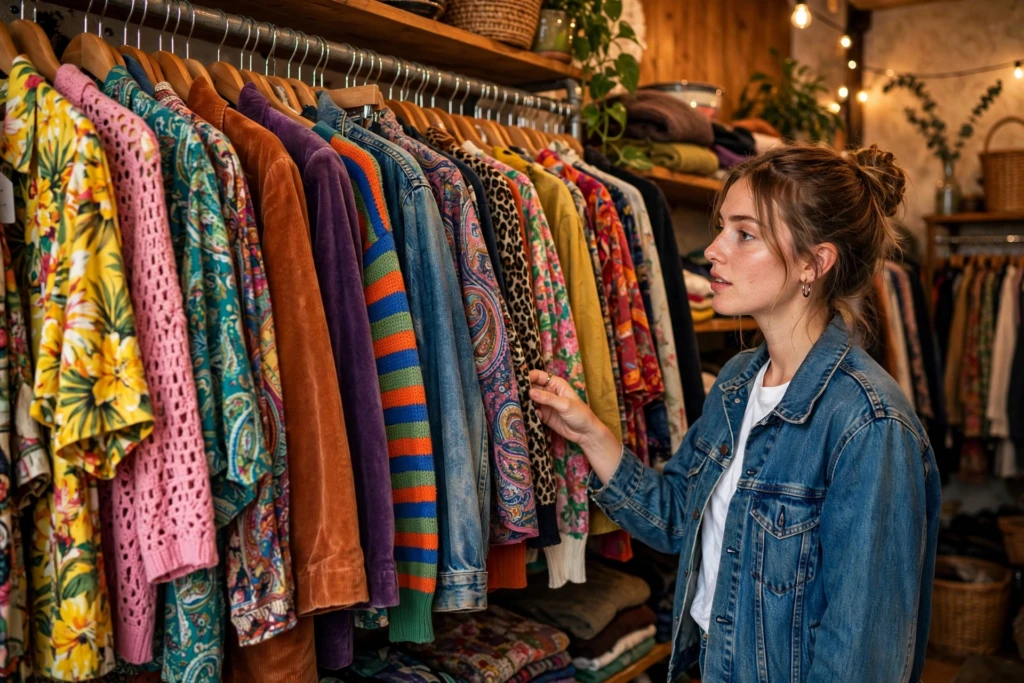
Thrift shopping in Pakistan used to be about saving money. In 2026, it is about style, sustainability and standing out.
Preloved fashion has shifted from a “survival strategy” to a niche trend among Gen Z and millennials. Economic pressure started it, but conscious consumption is keeping it going.
Why young shoppers love it
Every thrifted piece is one of a kind. In a market flooded with fast fashion, a unique vintage kurta or jacket is a statement no one else can copy.
There is also pride in the hunt. Young shoppers share their best finds online, turning bargain hunting into content of its own.
Thrift markets are spreading in major cities. Weekend bazaars and Instagram thrift stores now draw crowds of young shoppers hunting for denim jackets, silk scarves and embroidered kurtas at a fraction of mall prices. Some sellers even offer alteration services, so a second-hand find fits like it was made to order.
A global shift
The move fits a wider trend. Across South Asia, sustainable textiles and circular fashion are gaining ground, with heritage fabrics finding new life in everyday wear.
Sellers are getting creative too. Many now style and photograph each piece like a boutique, with measurements and fabric details in every listing. The best-known thrift pages have tens of thousands of followers. For many young sellers, thrifting has become a small business, not just a hobby.
In 2026, the smartest wardrobe might not be the newest one. It might be the one with a past. For Pakistan’s young shoppers, that past is now a fashion statement.

Comments (0)
Be respectful — comments are moderated.