

Wholesale prices in the United States rose at their fastest pace in four years last month, in a fresh sign that inflation is still running hot.
The Producer Price Index (PPI), which tracks what American businesses charge for their goods and services, rose 6.5% over the 12 months to October, the Bureau of Labor Statistics said on Friday 13 November. That is the largest annual rise since November 2022, when prices were up 7.4%.
On a monthly basis, producer prices rose 0.3% in October. That was slower than the 1.4% jump in September and a little below the 0.4% rise economists had expected. Even so, the yearly figure shows that price pressure is still strong across the US economy.
What the numbers show
The October rise was driven by goods prices, which went up 0.5%, while prices for services rose 0.2%. Prices excluding food, energy and trade services — a measure watched closely by economists — also rose 0.5% in the month.
Over the past year, producer prices excluding food and energy are up 5.0%. That is well above the Federal Reserve’s 2% inflation target.
The figures came just days after the consumer price index, which measures what shoppers pay, also came in hotter than expected. Consumer prices rose 0.4% in October, with food prices up 0.5%, energy prices up 0.7% and petrol prices up 1.0%.
Together, the two reports show that inflation is proving hard to bring down. Energy prices and strong demand are keeping costs high, and businesses are still passing those costs on.
Why it matters for shoppers
Wholesale prices matter because they often feed into shop prices a few months later. When factories, farms and other producers charge more, retailers usually pass at least some of that cost on to customers.
That is why economists watch the PPI so closely. A 6.5% yearly rise suggests that the cost of living could stay high for longer, even though the monthly pace has slowed.
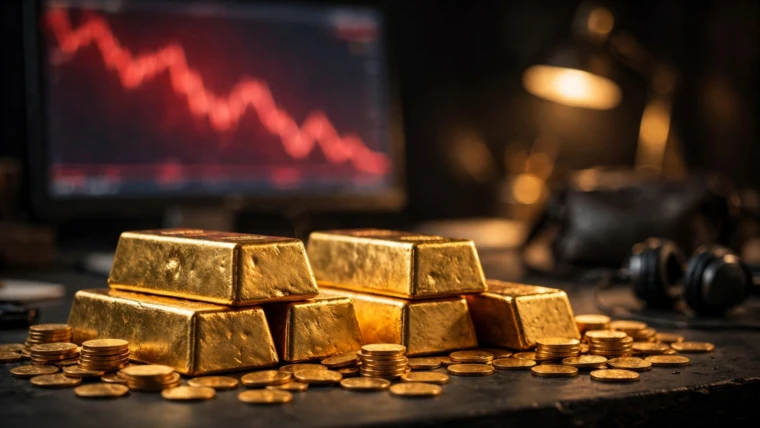
The data has already moved markets. Gold Hits 2026 Low as Price Falls 27% from Record High, partly because stubborn inflation keeps the door open for higher interest rates. Gold pays no interest, so it becomes less attractive when rates stay high.
What it means for interest rates
The Federal Reserve, America’s central bank, meets on 8 and 9 December to decide its next move on interest rates. After the latest inflation data, traders now see a rate rise at that meeting as almost certain.
Some economists think the Fed could even raise rates by half a percentage point, rather than the usual quarter point, if price pressures keep building. The Fed’s own preferred measure of inflation, the PCE price index, rose to 3.6% in September and is forecast to climb further.
Higher rates make borrowing more expensive for households and businesses. Mortgages, credit cards and business loans all cost more, which is meant to cool spending and bring prices down. But it also puts pressure on families who are already stretched.
The UK picture
The same problem is facing the Bank of England. The Bank of England Raises Interest Rates to 4% in First Hike Since 2023, its first increase in more than three years.
UK inflation stood at 3.5% in September, and the Bank now expects it to rise to around 5% by the middle of 2027, mostly because of higher energy prices. Its next decision is due on 17 December.
For savers, higher rates can bring slightly better returns on savings accounts. For borrowers, they mean higher monthly payments. Anyone on a variable-rate mortgage or a tracker deal will feel the change first.
What happens next will depend on the data. If inflation keeps surprising on the upside, central banks on both sides of the Atlantic may have to raise rates further. If it starts to cool, the pressure could ease.
For now, the message from the latest US figures is clear: price rises have slowed from their peak, but they are still far too high for comfort.
Sources: PYMNTS, Daily Caller, The Motley Fool, Bank of England.
Comments (0)
Be respectful — comments are moderated.