
The World Health Organization has urged countries to strengthen their efforts to prevent lead exposure. The UN health agency warned that children face the greatest risk.
Lead is a toxic metal that can damage the brain and nervous system. Young children are most at risk because their bodies absorb more lead and their brains are still developing.
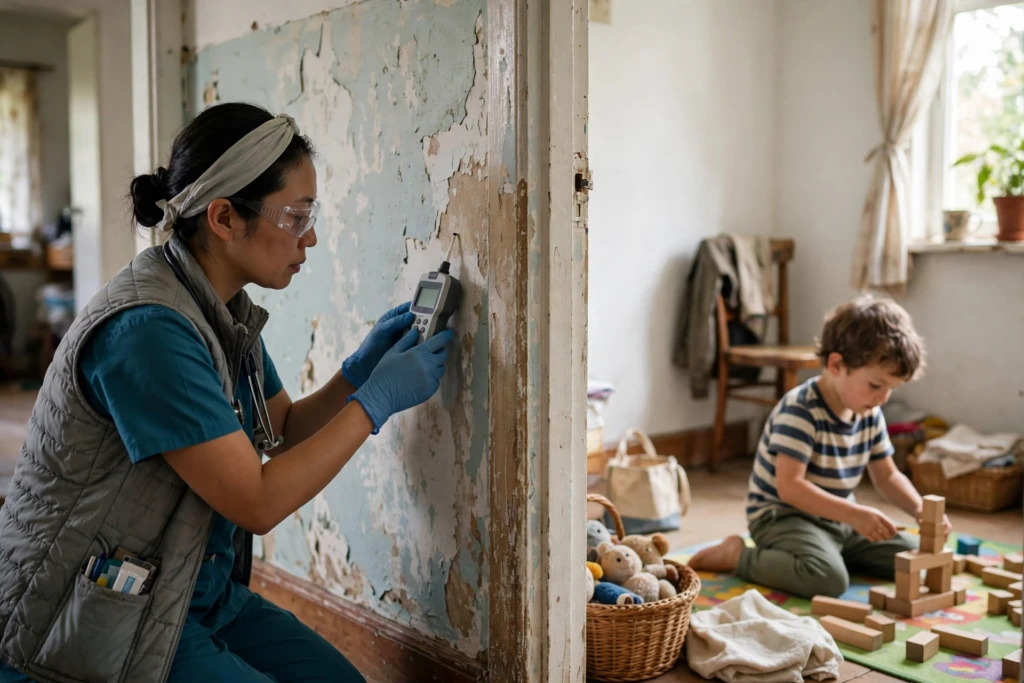
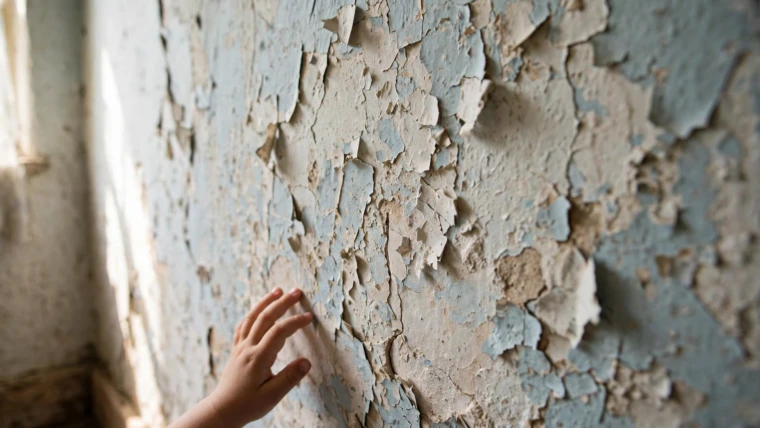
Common sources of lead include old paint, contaminated water pipes and some traditional products. Exposure can lower intelligence and cause learning problems, health experts said.
Children Most at Risk
The WHO said no level of lead exposure is safe for children. Even small amounts can affect a child’s development and behaviour over time.
Poorer communities are often hit hardest, as they are more likely to live in older homes with lead paint or near polluting industries, according to reports.
What Countries Can Do
The agency called on governments to ban lead in paint, replace old water pipes and test children at risk. Public awareness campaigns can also help families protect themselves.
Health officials said prevention is far cheaper than treatment. Stronger rules and better monitoring can save lives and protect children’s futures, the WHO said.
Experts said many countries have already made progress by removing lead from petrol and paint. But millions of children remain at risk, and faster action is needed to protect them.
Parents can also take simple steps at home, such as keeping children away from peeling paint and checking local water safety advice. Health workers said small actions can make a big difference.
Comments (0)
Be respectful — comments are moderated.