
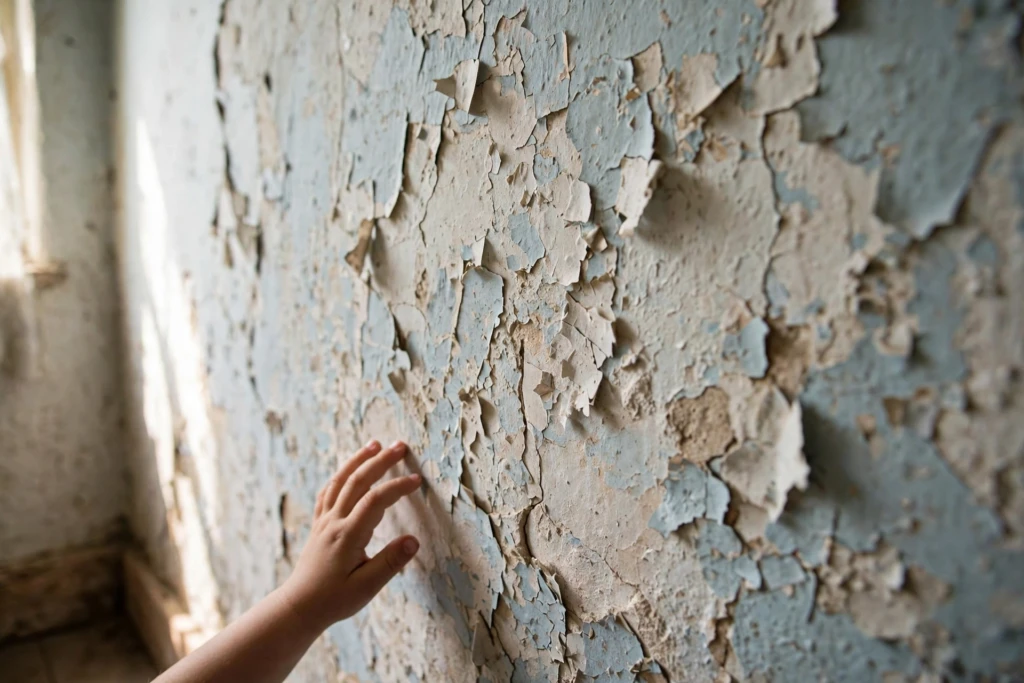
The World Health Organization has urged countries to act faster against lead exposure. The agency says lead causes more than 3.5 million deaths globally each year. It also affects hundreds of millions of children.
The warning came ahead of International Lead Poisoning Prevention Week, which runs from October 18 to 26. Although lead exposure is fully preventable, fewer than half of all countries have legal controls on lead in paint, according to the WHO.
Children at greatest risk
Children face the highest danger. Their growing brains and nervous systems are very sensitive to lead. Even small amounts can cause lasting harm. There is no known safe level of contact with lead.
Lead can enter the body through paint, cookware, cosmetics, spices and unsafe recycling. In adults, it can damage the heart and kidneys. In children, it can cause learning difficulties and behaviour problems. Many cases go unnoticed because symptoms are not always visible.
Prevention is possible
Common sources of lead include old paint, cheap cookware and some traditional cosmetics. Informal battery recycling is another major source in many countries. Spices mixed with lead-based colouring have also caused poisoning cases.
Health experts recommend simple steps at home. Families should check old paint for peeling and keep children away from repair dust. Washing hands often and eating a healthy diet can also reduce lead absorption.
The WHO says countries must remove lead from products before it reaches children. Officials called on governments to set strict limits on lead in paint and other goods. Early action can protect millions of young lives.

Comments (0)
Be respectful — comments are moderated.