
The Ebola outbreak in the Democratic Republic of Congo continues. The WHO says confirmed cases have now reached 8,665, with 4,178 confirmed deaths. The figures were shared at a WHO media briefing on October 7.
There are mixed signs on the ground. In some areas, the epidemic shows clear signs of slowing down. In others, cases are still growing. Health teams are watching the numbers closely.
Response efforts under way
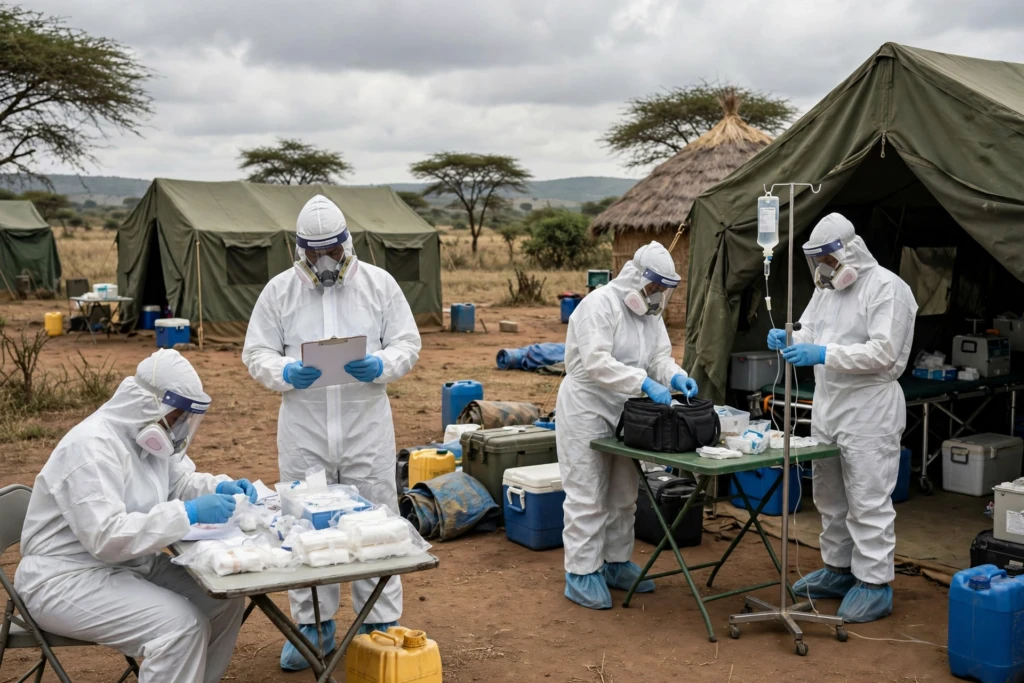
Health workers are tracing contacts and caring for patients. Vaccination and safe burial practices remain key tools. International partners are supporting the national response with staff and supplies.
Officials stress that community trust is vital. When families report sickness early, teams can act fast. Rumours and fear can slow the work, so clear public messages matter.
Global attention needed
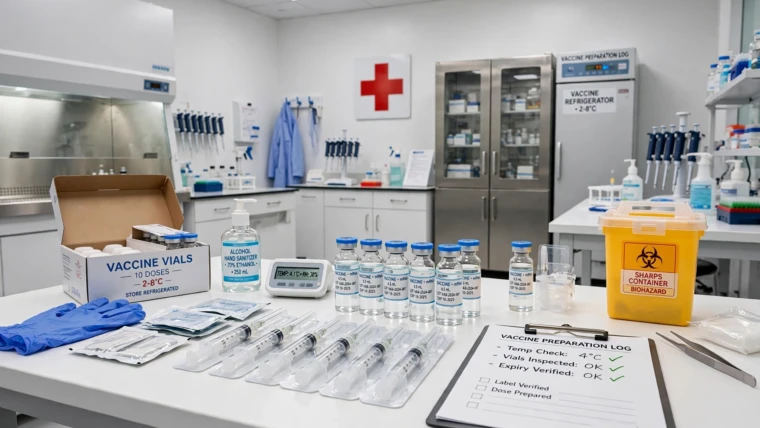
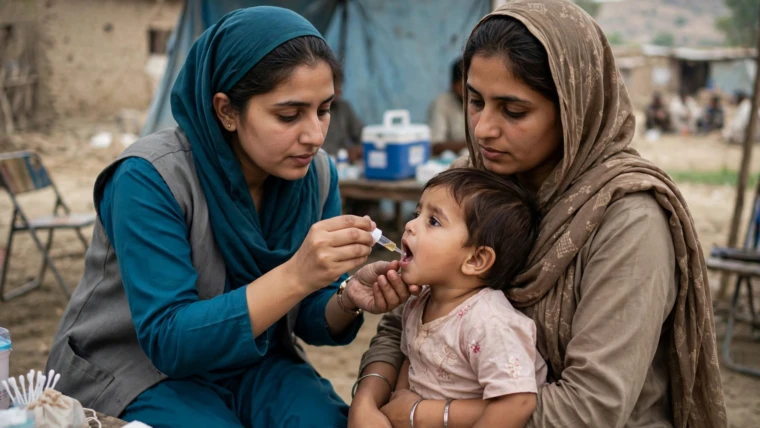
Vaccines have changed the fight against Ebola. Health workers now vaccinate the contacts of confirmed patients in a ring pattern. This method helped end past outbreaks faster. Cold storage for vaccines remains a challenge in remote areas.
Survivors also need long-term care. Some face eye problems and joint pain for months after recovery. Support programmes help them return to normal life and reduce stigma.
Border areas need special watch. People cross between countries daily for trade and family visits. Health posts at crossings now screen travellers for fever symptoms every single day.
The WHO says the world must not look away. Past outbreaks show that steady funding and quick action save lives. Health leaders continue to monitor the situation week by week.
Comments (0)
Be respectful — comments are moderated.