
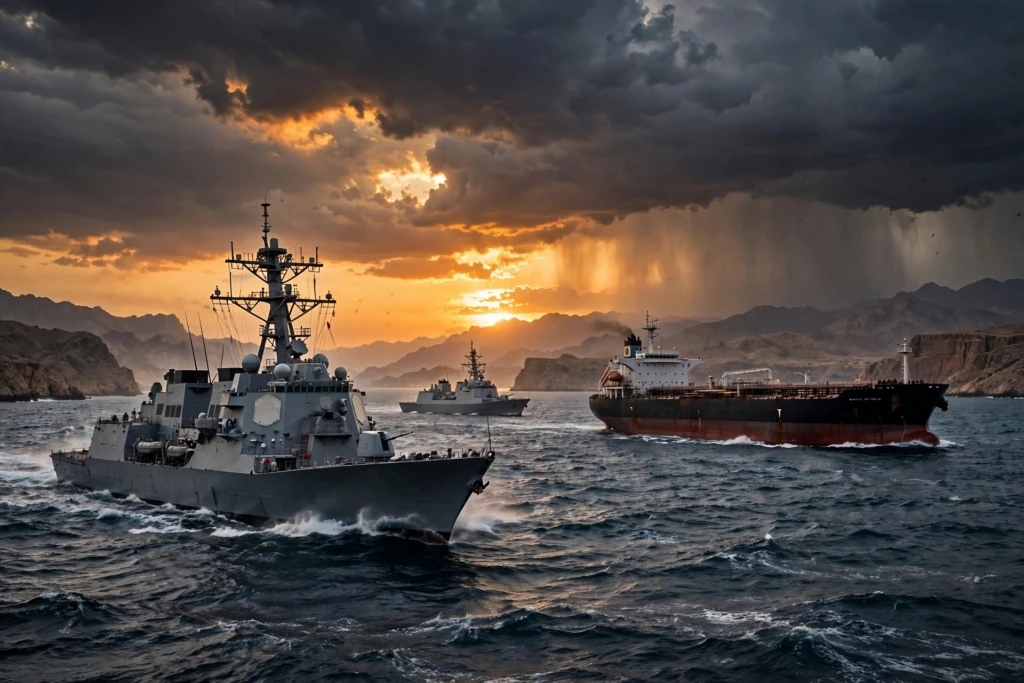
The Iran US all-out war warning has sharply raised the stakes in an already volatile Middle East, with Tehran declaring that any American attack on Iranian soil will be treated as the start of all-out war. The blunt message, delivered amid reports of US military strikes in the region, marks one of the most direct threats issued by Iran in the current escalation cycle.
The warning lands at a moment of acute tension. Reports of American strikes, a heavy US military presence in surrounding waters, and weeks of hostile rhetoric have created an atmosphere in which miscalculation is a genuine danger. Diplomats across the region are scrambling to prevent a confrontation that could engulf the wider Middle East.
What Tehran Actually Said
Iranian officials left little room for interpretation: any attack by the United States — regardless of its stated scope or target — would be considered an act of all-out war, triggering a full Iranian response. The language is deliberately maximalist, designed to establish deterrence by making the cost of even a limited strike appear unacceptably high.
Tehran’s messaging also carried a warning to Washington’s regional allies, implying that American bases and partners in the region would not be immune in the event of a wider conflict. It is a familiar Iranian doctrine — if Iran is hit, the entire region feels the consequences — restated at the highest volume.
Analysts note that such warnings serve a dual purpose: deterring the adversary while rallying domestic opinion behind the government at a time of economic hardship and internal discontent.
The Escalation: Reports of US Strikes
The warning did not emerge in a vacuum. Reports of US strikes against targets linked to Iran and its regional allies have multiplied in recent weeks, part of what Washington describes as a campaign to degrade hostile capabilities and protect its forces and partners.
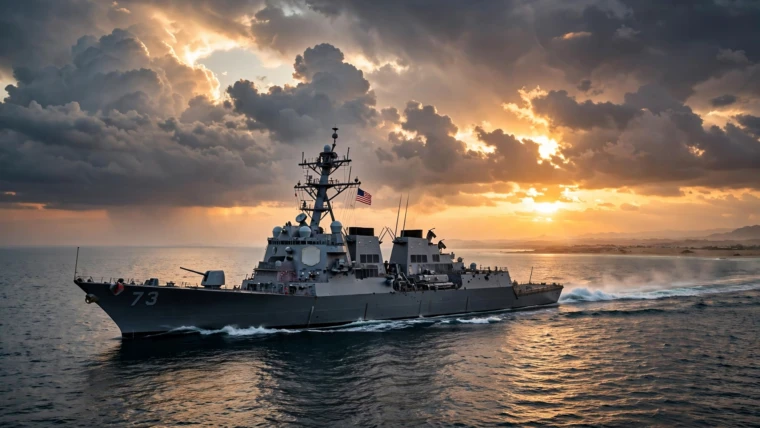
The United States has also reinforced its military posture across the region, deploying additional naval assets, air defences and personnel. American officials insist the build-up is defensive — but in Tehran, it is read as preparation for something far more aggressive.
This action-reaction cycle is precisely what worries observers: each side interprets the other’s moves in the worst possible light, and the space for de-escalation shrinks with every strike and every threat.
Iran US All-Out War Warning: Regional Reactions
Across the Middle East, governments are watching with alarm. Gulf states, which host American bases and sit within range of Iranian missiles, have the most to lose from a direct US-Iran war and have quietly urged restraint on both sides. Publicly, most regional capitals have called for dialogue; privately, contingency planning is well under way.
Other regional players with their own rivalries and alliances are calculating how a wider war would affect their interests. A US-Iran conflict would not stay bilateral for long — it would draw in proxies, partners and neighbours across an already fractured region.
International powers beyond the region have also weighed in, with calls for de-escalation coming from capitals that fear the economic and humanitarian fallout of another major Middle East war.
The Strait of Hormuz and Global Oil at Stake
Few places concentrate global anxiety about a US-Iran war like the Strait of Hormuz. Roughly a fifth of the world’s petroleum liquids passes through this narrow waterway, and Iran has repeatedly threatened to close it in the event of a major conflict.
Even the threat of disruption is enough to rattle energy markets. Oil prices have already shown sensitivity to the escalation, and analysts warn that any actual closure of the strait — or attacks on shipping and energy infrastructure — could send prices soaring and tip fragile economies toward recession.
Beyond oil, a wider war would threaten global shipping lanes, displace civilian populations and risk drawing in multiple states. The humanitarian cost, layered onto the region’s existing crises, would be immense.
What Comes Next
For now, the crisis remains in the realm of warnings and posturing — but that is cold comfort. History shows that wars often begin not through deliberate choice but through miscalculation, and the current environment is rich with opportunities for misreading intentions.
Whether back-channel diplomacy can pull the parties back from the brink remains the central question. What is clear is that the Iran US all-out war warning has set the terms of the confrontation in the starkest possible language — and the world is listening.
Comments (0)
Be respectful — comments are moderated.