
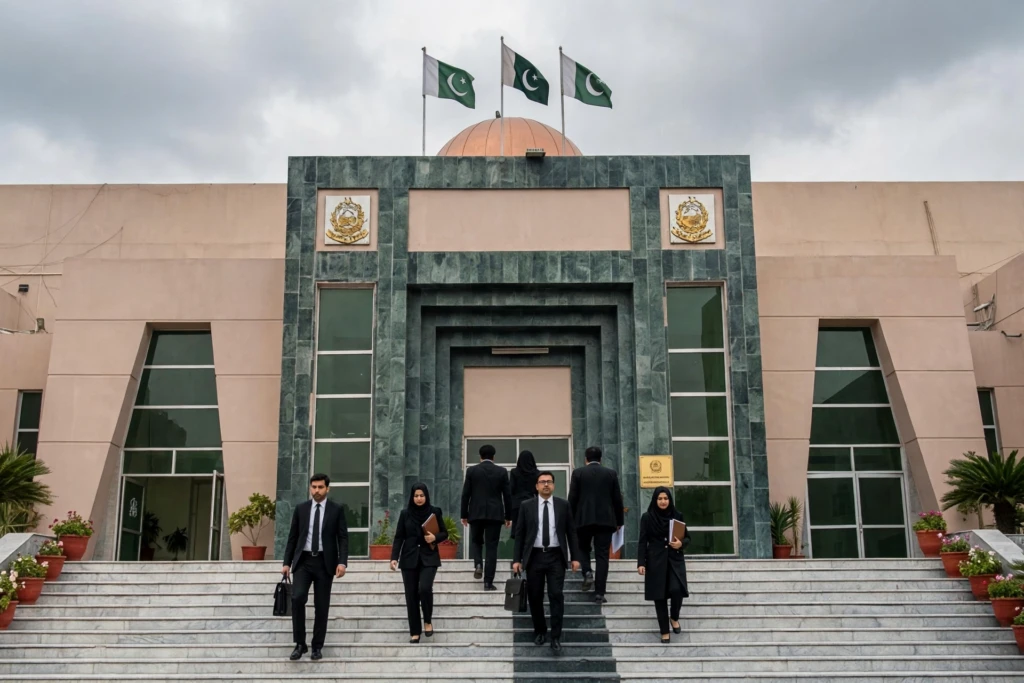
President Asif Ali Zardari has declared an emergency in Khyber Pakhtunkhwa. The move suspends the PTI-led provincial government. It is one of the biggest political crises in recent years.
What the emergency means
Under the emergency, the provincial assembly stands suspended. The governor will run the province with federal support. The PTI government can no longer take decisions.
The federal government says the step was needed for security. It blames the KP government for failing to control militancy. Attacks have risen sharply in the province this year.
Emergency rule is rare in Pakistan’s history. It gives extra powers to the centre. Civil liberties can also face limits during such periods.
Why the government acted
Officials say militants have grown stronger in KP. Several deadly attacks hit security forces in recent months. The federal cabinet discussed the situation for weeks.
According to the government, the provincial setup failed to act. It says the police force and local bodies were weak. Peace efforts with militant groups also failed.
The decision came after a key security meeting in Islamabad. Federal ministers backed the move fully. An official notification was issued late at night.
PTI moves court
The PTI rejected the emergency at once. Its leaders called it an attack on democracy. They say the real aim is to crush the opposition.
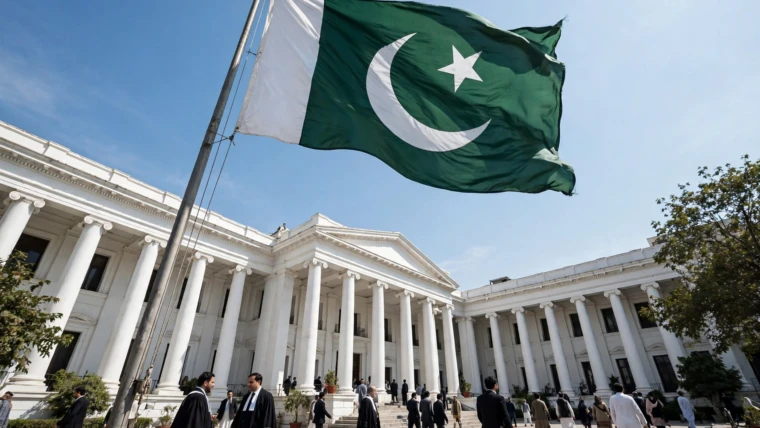
On October 15, the party went to the Peshawar High Court. Its petition asks the court to cancel the emergency. Lawyers say the move breaks the Constitution.
PTI leaders argue that only the provincial assembly can judge its own work. They say security is a shared duty of the centre and provinces. The court has issued notices to the federal government.
Political reactions
The PPP and PML-N defended the decision. They say saving lives comes before politics. The country cannot afford more terror attacks, they argue.
Other opposition parties criticised the timing of the move. They fear the step sets a bad precedent. Some called for talks instead of emergency rule.
Legal experts are divided on the issue. Some say the Constitution allows such steps in grave threats. Others say the bar for emergency is very high.
What happens next
The court hearing will be watched closely across the country. A stay order could restore the PTI government for now. A long legal battle is also possible.
The federal government may share new proof of the threat. Security operations in KP could grow in the coming weeks. The province may stay under central control for months.
For common people, the key question is safety. Markets and schools need peace to run. Everyone hopes the crisis ends without more violence.
Security situation in KP
Khyber Pakhtunkhwa borders Afghanistan. Militant groups hide in the tribal hills. They cross over to launch attacks.
This year saw many attacks on police posts. Soldiers and civilians both died. Markets in some towns shut early out of fear.
The army has run several operations in the area. Many militants were killed or caught. But new groups keep taking their place.
Past emergencies in Pakistan
Pakistan has seen emergency rule before. Generals imposed it in the past. Civilian governments rarely used this power.
The last big emergency came in 2007. It led to street protests nationwide. Courts later called it illegal.
Historians say each emergency left deep scars. Trust between provinces and the centre suffered. Many fear history is repeating itself.
Ordinary citizens in Peshawar are watching the courts with hope. They want the crisis to end soon. Peace and normal life must return to the province.
The emergency has pushed Pakistan into uncharted territory. Courts, politicians and the public all await the next move. The coming days will shape the country’s politics for years.

Comments (0)
Be respectful — comments are moderated.