

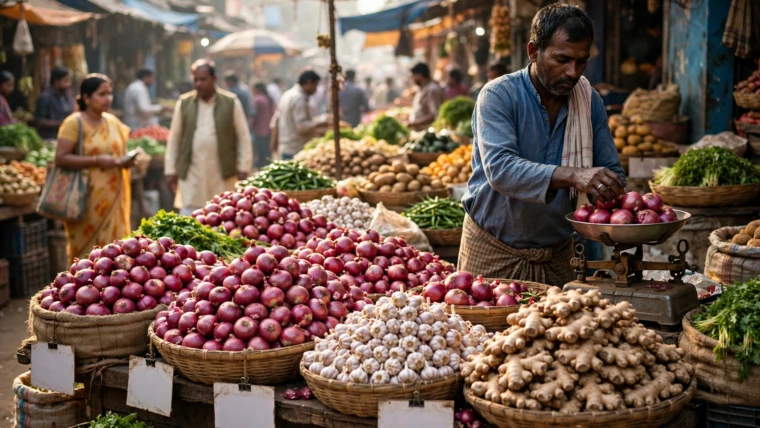
Tomatoes in Pakistan became 12.06% dearer in just one week, with the average price rising from Rs193.81 to Rs217.18 per kilogram. The latest weekly inflation figures from the Pakistan Bureau of Statistics (PBS) show that food prices are still climbing, even though cheaper fuel pulled the overall inflation rate down.
The data covers the week that ended on 12 November 2026. It shows a mixed picture for shoppers: petrol and diesel became much cheaper, but the cost of everyday food items such as tomatoes, eggs and potatoes went up again.
What the latest figures show
The Sensitive Price Indicator (SPI), which tracks weekly price changes, fell by 0.46% to 372.90 points, down from 374.61 points the week before. On a yearly basis, inflation stood at 11.21%, lower than the 12.31% recorded in the previous week.
Out of the 51 essential items tracked, prices of 19 items went up, nine became cheaper, and 23 stayed the same. Tomatoes recorded the sharpest weekly rise at 12.06%. Egg prices increased by 5.98%, taking the average cost of a dozen to Rs272.89 from Rs257.48. Potatoes became 2.42% dearer at Rs53.41 per kilogram, while garlic rose by 1.76% and chicken by 1.32%. Wheat flour also became 0.94% costlier, with a 20kg bag now averaging Rs2,968.92.
The main relief came from fuel. Petrol prices fell by 7.42% to Rs337.22 per litre, down from Rs364.23, while high-speed diesel became 6.10% cheaper at Rs366.33 per litre, down from Rs390.13.
Why food prices are still rising
The fall in fuel prices helped bring the overall index down, but it was not enough to offset the jump in perishable food items. Tomatoes have now risen by 78.94% compared with a year ago, making them one of the biggest drivers of food inflation in the country.
Other items have also become far more expensive over the past year. Cooking gas (LPG) is up by 111.35% year on year, first-quarter electricity charges have risen by 52.38%, and wheat flour is 36.14% dearer than a year ago. Onions are up 19.67%, chilli powder 15.55%, mutton 14.67%, plain bread 12.35%, beef 11.30% and chicken 10.98%.
The pressure is felt most by low-income families. For the lowest income group, households earning up to Rs17,732 a month, the weekly index actually rose by 0.03%, which means the poorest shoppers saw no relief at all in the week.
Food prices are rising across the region, not only in Pakistan. India Food Inflation Soars as Onion Prices Jump 116% shows how onion prices have surged sharply in India too, adding to the cost of daily meals there.
What shoppers can expect next
There may be some relief in next week’s figures. The government cut fuel prices for a third time in three days on Friday, taking petrol to Rs332 a litre and diesel to Rs360. That cut is not yet included in this week’s data, so it will only show up in the next reading.
For now, though, the weekly shop is still getting harder for many families. Cheaper fuel has helped, but until tomato, egg and flour prices settle, the cost of putting food on the table will stay high.
How the figures are worked out
The SPI tracks price changes in 51 essential commodities, collected from 50 markets across 17 cities. It gives a weekly snapshot of short-term price movements and is the main measure of how fast the cost of everyday goods is changing for ordinary households.
Sources: Profit by Pakistan Today, The News, TechJuice, The Thursday Times.

Comments (0)
Be respectful — comments are moderated.