

Pakistan has introduced a new national mental health policy. It will run from 2026 to 2035. The move comes as an estimated 32.4 million people in the country need mental health care.
Health experts have long warned that mental health services are too few. Many districts have no trained counsellors at all. Stigma also stops people from seeking help. Families often hide mental illness instead of treating it.
What the policy promises
The policy aims to bring mental health care closer to communities. It plans to train more health workers and add counselling services at basic health units. Schools and workplaces are also part of the plan.
Officials say the goal is to treat mental health like any other illness. Early support can prevent small problems from becoming serious. The policy also calls for better data so planners know where help is needed most.
A long road ahead
Young people face special pressure. Exam stress, job worries and social media affect mental wellbeing. The policy plans counselling support in colleges and universities. Helplines will also be expanded for those in crisis.
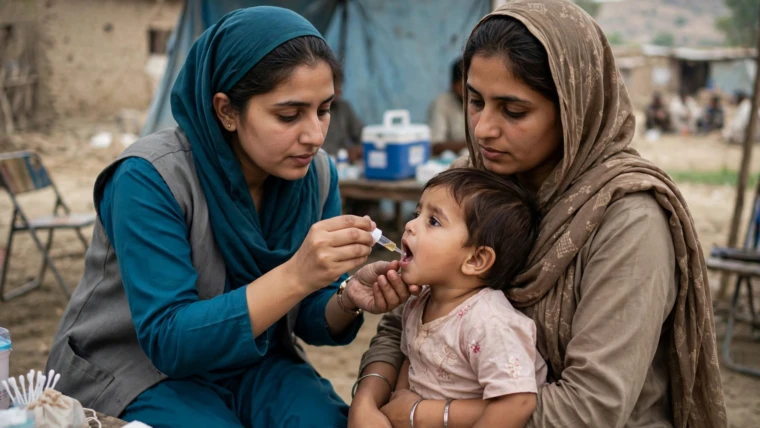
Women’s mental health gets special attention in the plan. Many women suffer in silence because of family pressure. Community health workers will be trained to spot signs and offer first support.
Religious leaders are also being involved in the effort. Their words carry weight in many communities. When they speak openly about mental health, stigma begins to fade.
Experts welcome the policy but urge quick action. They say funding and trained staff will decide its success. For millions of families, the promise of accessible care cannot come soon enough.


Comments (0)
Be respectful — comments are moderated.