
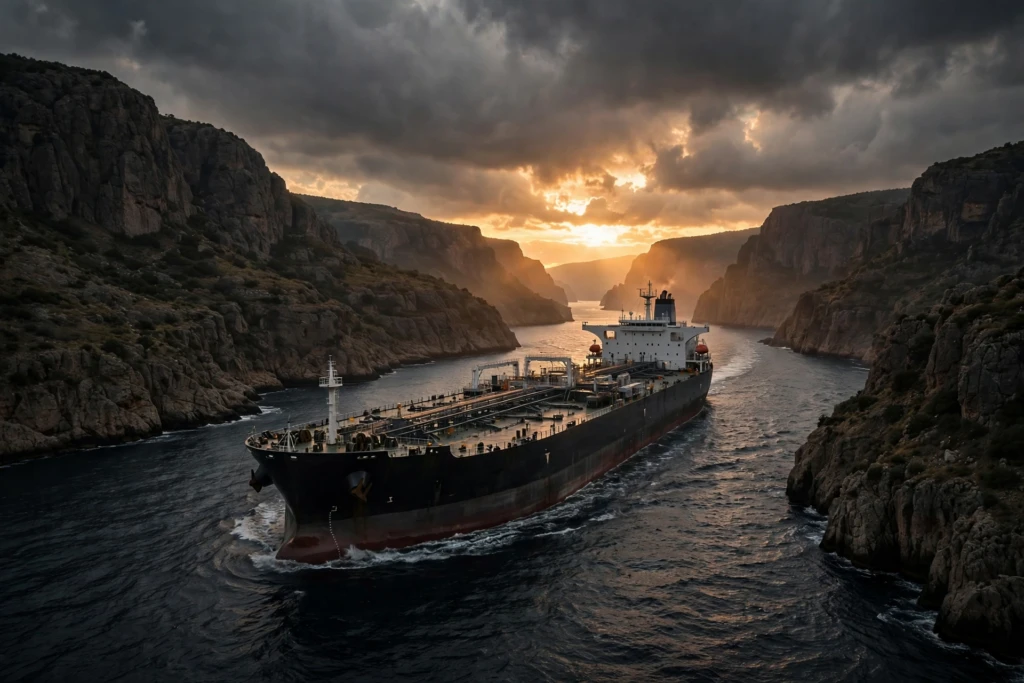
Oil prices headed for a weekly gain on Friday as fears grew over supplies from the Middle East. Brent crude traded near $105 a barrel, while US crude stayed above $97.
Tensions in the Strait of Hormuz kept traders nervous. According to ship tracking data, oil flows through the key waterway were running well below normal levels after attacks on vessels in recent days.
What is driving prices
A larger-than-expected fall in US crude stocks also supported prices. At the same time, member nations of the International Energy Agency promised to release emergency reserves to calm the market.
Analysts said the market was pricing in a risk premium. They added that any deal between the US and Iran could bring prices down quickly.
Impact on consumers
High oil prices raise fuel and transport costs around the world. For countries like Pakistan that import most of their oil, expensive crude puts pressure on the import bill and inflation.
Traders will watch the next OPEC meeting closely for hints on supply. Any sign of extra barrels could calm prices, while new disruptions would likely push them higher again.
Shipping costs have also risen as vessels take longer routes to avoid risky waters. Higher freight rates add to the cost of moving oil, which eventually reaches consumers.
Energy experts said the world is watching the Hormuz situation day by day. A lasting solution, they said, would need talks between the US and Iran to reduce tensions in the region.
For Pakistan, every $10 rise in oil adds billions to the yearly import bill, officials have warned in the past.



Comments (0)
Be respectful — comments are moderated.