
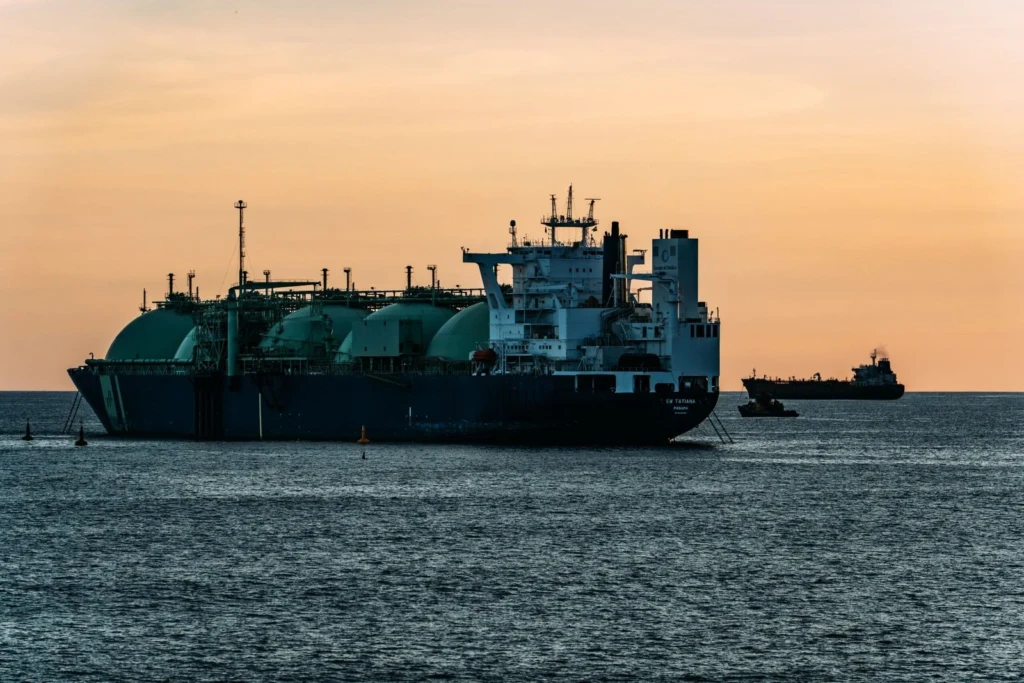
Pakistan is considering buying ten spot LNG cargoes worth over $1 billion to meet winter gas demand from December to February. The proposal came from the Petroleum Division this week, according to a report published on October 16.
Spot LNG prices are high. Each cargo costs over $100 million, with prices above $27 per MMBtu and reaching up to $30. The National Crisis Management Cell prefers cheaper contracted supplies. The prime minister will make the final decision.
Hormuz tensions squeeze supplies
Pakistan depends heavily on Qatar for gas. In 2025, about 99 per cent of its LNG came from Qatar. But QatarEnergy’s force majeure remains in force, and tensions around the Strait of Hormuz have cut Pakistan-bound LNG by up to 0.4 million tonnes per month since March, according to Wood Mackenzie.
There is some relief. The vessel Al-Areesh arrived at Engro’s LNG terminal around October 13-14 with the first cargo of October. It is regasifying at 150 million cubic feet per day. But Pakistan GasPort’s terminal has been non-operational since October 9.
PLL chief executive Masood Nabi told the WPC Energy Congress in Riyadh on October 15 that this winter “will be challenging”. He said the real problem is getting ships through Hormuz, not a shortage of gas itself.
Background: the collapsed June peace deal
The supply trouble traces back to the collapse of the Islamabad MoU, a 14-point interim framework signed electronically on June 17-18 by US President Donald Trump and Iranian President Masoud Pezeshkian, with PM Shehbaz Sharif as mediator. The deal promised an end to hostilities and easier shipping through Hormuz, but fighting resumed within weeks. Trump declared it over on July 8, and it formally expired in August.
Pakistan still wants the deal revived. On September 15, Deputy PM Ishaq Dar urged the US charge d’affaires Natalie A. Baker to push for its revival. But for now, Islamabad must prepare for a hard winter on its own.

Comments (0)
Be respectful — comments are moderated.