
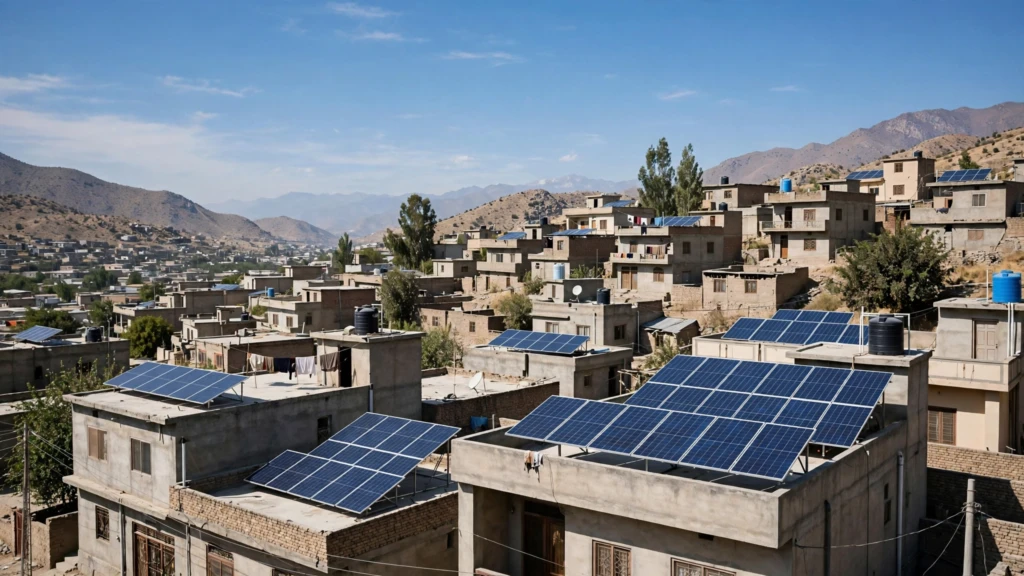
Solar power now provides more than 20 per cent of Pakistan’s total electricity. The surge comes from a massive, largely unplanned wave of rooftop solar panels, mostly imported from China, according to reports. Streets in cities and towns across the country now glitter with panels on rooftops.
Households and businesses are installing panels to escape high bills and unreliable supply from the national grid. The shift has happened fast, driven by ordinary people rather than government policy. Solar shops have sprung up in nearly every market, and installers say demand is still rising.
Why People Are Switching
Electricity prices have become unaffordable for many families. Grid power is costly, and outages remain common in many areas despite years of heavy investment. For a middle-class household, the monthly bill has become one of the biggest expenses.
Rooftop solar offers a way out. Once the panels are installed, families can generate their own power during the day and cut their bills sharply. Many say the system pays for itself within a few years. Businesses, from small shops to factories, are making the same calculation.
A Changing Energy Mix
The solar boom is quietly reshaping the country’s energy picture. Nuclear power output also hit a record 22.5 terawatt-hours in 2025, rising by nearly four per cent, officials said. Together, these sources are reducing the country’s dependence on expensive imported fuels.
Energy experts say the trend shows how fast people adapt when the system fails them. Officials are now debating how to manage a grid where millions of homes both use and produce power. New rules on net metering and grid charges are expected in the coming months.


Comments (0)
Be respectful — comments are moderated.